
FREEDOM & FLOW

Top 5 Tips for Alternatives Analysis
After 40 years of processing, witnessing, assisting, and evaluating a wide variety of alternatives analysis (aa), I’ve seen the great, good, bad, and completely horrible approaches. Ever since studying “aa” in my Fuqa School MBA classes, I’ve appreciated the science and art of decision making when it matters most.
GOOGLE prompt provides: An Analysis of Alternatives (AoA) is a structured evaluation process used to compare potential solutions for a project, acquisition, or mission need. I’m going with aa vs AoA since it’s my HappyGuide / LinkedIn blog, and I’m writing the text.
What Google A1 has overlooked in its’ definition is the need for aa in your professional and personal decision making. Which house should you buy? What job should you take? Where should you take the family for an extended vacation? These and other “important decisions” deserve more than a flip-of-a-coin or gut feel. #IMO
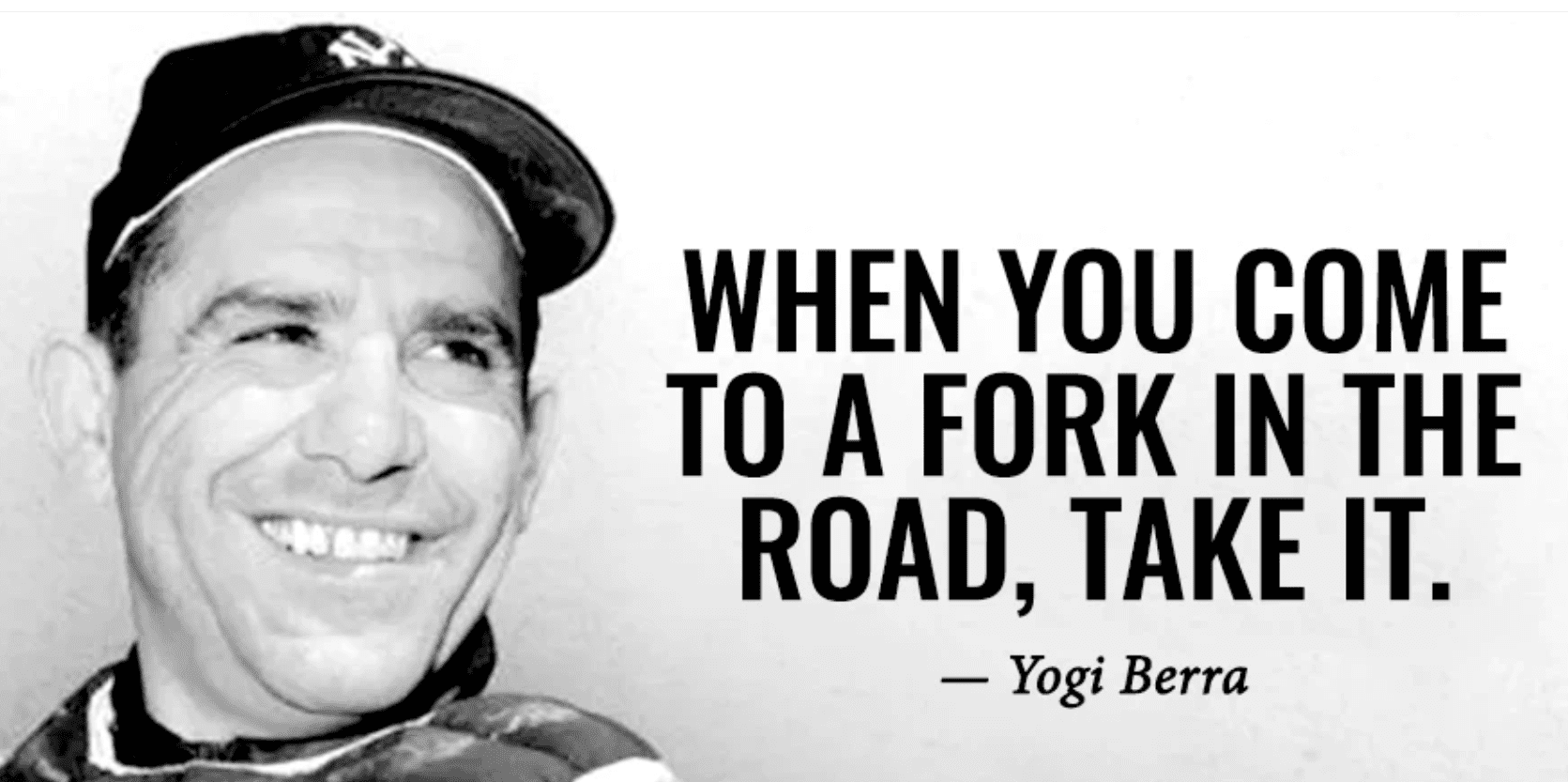
In Happy Guide, I wrote that Yogi Berra’s advice “When you come to a fork in the road, take it” was lazy and/or stupid. I believe most life-altering decisions are too important for “eeny, meeny, miny, moe.”
Don’t get me wrong. If the “end result” doesn’t have any significant impact on you, your loved ones, or your clients … then just wing it. Red or black underwear … all the same to me … rock/paper/scissors gets it done. BUT … if your project's success, your kid’s college, or your livelihood is on the line, then let’s slow down a bit and give it some serious aa.
TOP 5 TIPS FOR ALTERNATIVES ANALYSIS
I’ve taken several classes on decision making/alternative analysis at NC State and Duke. Most of my consulting projects at Deloitte or PCG were focused on aa in part or entirely. I’ve be fortunate to work with/learn from clients like David Thompson (Durham County), Pam Layhe (State of MO, DSS), John Robertson (Commonwealth of MA, DPW), Jim Edgerton (State of NC, DHHS), Leonard Kelly (State of WV, DHHR), Jane Ryan (Charlotte/Meck Schools), Neil Gordon (City of Boston), and Terry Cottrell (State of TX, HHSC) who were seasoned-professionals with exceptional aa skills.

None of these are original thoughts … just my voice repeating what was passed down during my career while at the knee of the real masters of leadership:
TIP #1: Best Alternative to Not Agree (BATNA) – I first heard this term in 1985ish in a book entitled, “Getting to Yes.” While this book is mostly about negotiations … there is a common trait that aligns with my thoughts on aa: you must first have a sufficient number of acceptable/comparable alternatives. In a project, if all you got is a) do nothing, or b) do something/anything … that’s a very soggy footing for your aa.
So, step one in most aa exercises is to creatively and seriously come up with 2 or 3 really good alternatives to consider. We need Doors A, B, C to pick from … and maybe more.
Version 1.0.0
TIP #2: No Decision is a Decision – You can see it every day in the NCAA’s Transfer Portal or Free Agency periods. College Students and Pro Athletes are forced to factor in the impact of the “variable” of TIME into their aa. Rarely does TIME have favorites. You can decide too early, you can decide too late, but sometimes … sometimes you get to be Goldie Locks and the timing is “just right.”

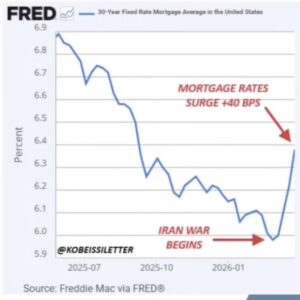
The reason TIME matters to your approach to aa is that TIME can dimmish or increase the factors in which your aa is based upon. What looked like a starting position in early May becomes a bench spot in the middle of April. What was a Seller’s market suddenly becomes a Buyer’s market as the USA engages in a long-term war, sky-rocketing gas prices, and increased interest rates for home mortgages.
TIP #3: Same Ain’t Equal – You can sit in a Board Room and listen to three different approaches to a legal defense. They may look/feel like the exact same outcome, but in the details lies the truth about what YOU and your organization value most. To get at this issue, you must be able to “triage” the variables into High, Medium, and Low. Inside each of those bands. The next chore is to “prioritize/rank” each variable, including: time, expense, complexity, reputation, competitive edge, etc.

The point here … the best alternative doesn’t necessarily have to be the same for everyone who might be analyzing the same options for going forward.
TIP #4: Weight Averages can Weigh Heavy – When factoring into your calculations in aa, you must assign numerical value. Equally – or maybe more – importantly, the probability of obtaining the value of each “variable” in your analysis must be applied. Let’s say, you are making a decision to transfer from Dallas Cowboys to Panthers Football team (as Will Grier is currently doing). Further, let’s assume you believe it’s CRITICAL that you get the #15 on your jersey in your decision making analyss for either team.

ARLINGTON, TEXAS - AUGUST 26: Will Grier #15 of the Dallas Cowboys passes the ball in the second half against the Las Vegas Raiders in a preseason game at AT&T Stadium on August 26, 2023 in Arlington, Texas. (Photo by Richard Rodriguez/Getty Images)
Hypothetically, let’s say you have scored both teams as a 10. It appears both alternatives are highly-rated (same and equal). However, let's assume Dallas offers a 10% chance and Pathers offers a 90% chance of getting #15 then, … Dallas should be scored 1 and Carolina should be scored 9. Make sense?
So don’t bullshit yourself by forgetting to apply realistic probabilities to each of your priorities (variables).
TIP 5: Your NORTH Star Matters Most – Before you begin ANY mission-critical alternatives analysis, you must know your long-term, value-based, meaning-of-life NORTH Star. It’s the stuff that matters most … and if that stuff don’t happen, well the sun ain’t coming up in the morning.

At PCG our North Star is client satisfaction/retention. We can have as many or few variables we want in our aa, but if a particular “alternative” does not get us to a “HIGH” rating in client satisfaction … it’s off the table. The details of the project, problem, opportunity really don’t matter if a proposed alternative violates our NORTH Star navigational commitment.
For many of you, these TIPS might seem self-evident:
- Having multiple competitive alternatives matters
- The timing of alternatives matters
- The variables across your alternatives matter
- Likelihood of alternative “outcome” matters
- Your values matter most
For some of you, I know you are facing complicated and complex decisions regarding: NIL/transfer portal, investment in AI capabilities, buying new homes, picking between future employers, and heck … upcoming elections in November!

Thorny, thick, important, complicated, complex, and life-changing/affirming decisions between some very similar/different alternatives.
Give a little thought to reading these 5 TIPS from bottom to top. Not sure they are ranked properly for all applications. Sometimes it might be better to start any decision making with re-affirming your NORTH Star.

Happy Guide to a Short Life
If you are still reading, this is where the FREEDOM & FLOW comes into play. After you have built and completed your aa for your impending decision between 2-6 alternatives, the data is only going to take you so far.
The aa process is there to help you build confidence in your understanding of the variables surrounding your decision. The aa process is there to help you align your thinking with YOUR values and long-term goals. Ultimately, you gotta make the call.
You gotta have the bravery, courage, confidence, and self-awareness to release to YOUR idiosyncratic freedom and flow.
What feels right in the moment based on your self-generated critical thinking about what lays ahead. Some people suggest "praying about it" ... and that's as proven a method for "setting an intention" and "manifesting your destiny". But don't fall to your knees and pray for a "hell mary" ... do the aa work, use your brain, and then ... follow your heart.
And like the dude on IG said, "Once you make your decision, go set out to make it the right decision!" If later on it's time for another aa, so be it.
Here’s today’s video clip:

Tony McLean Brown
A Western NC hillbilly through and through, Tony McLean Brown was born in the small town of Enka-Candler outside of Asheville. His parents re-named him when he was 3 years old to Tony (a nickname provided by his grandfather) McLean (middle name of his Uncle Michael) while retaining his legal surname Brown.
Throughout his career, Tony McLean Brown worked as a farmer, computer programmer, and management consultant – in his adventurous years – author, song-writer, bass player, poet, pilot, mountaineer, certified scuba diver, and competitor in professional bull riding, NASCAR late model racing, Toughman boxing, Crossfit Open, Ironman, pole vaulting, marathon and ultra-marathon running, as well as parenting.
www.HappyGuidetoaShortLife.com has been leveraged to help charities and non-profits across the globe, USA, NC, and Lake Norman area. If you, your family, school, church, or charity has been supported, please take the time to share, like, subscribe, comment, and provide a 5 star review!